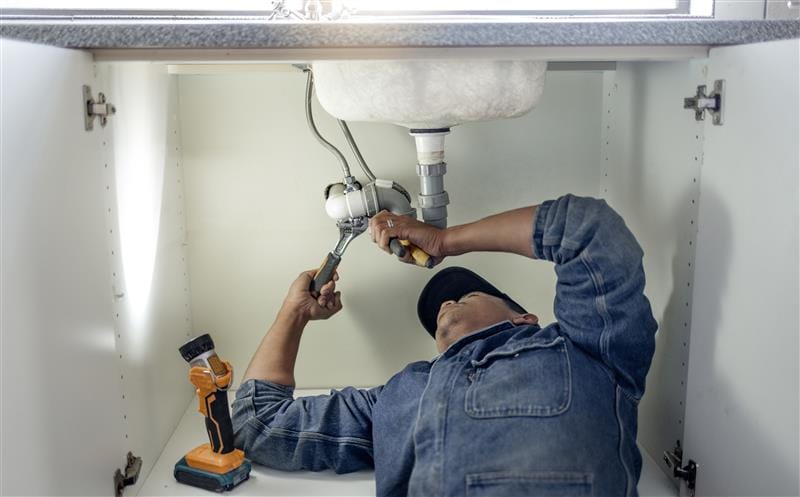
We act as a commercial plumber for many local and residential businesses
Water Heater Repair & Installation in Sunnyvale, CA
Hot water is an essential part of modern living. From a warm shower in the morning to running the dishwasher after dinner, your water heater works silently in the background to provide comfort and sanitation. When this system fails, it is immediately noticeable and highly disruptive. At Sunnyvale Plumbing and Air Pros, we specialize in comprehensive water heater repair and installation services. We are dedicated to ensuring that the residents and businesses of Sunnyvale have reliable access to hot water year round.
Water Heater Repair and Installation in Sunnyvale, California: Tank, Tankless, Gas, and Electric Done Right
We are your local Sunnyvale Plumbing and Air Pros, and water heater work is one of the most common calls our phone rings with. A cold shower on a busy morning, a tank quietly leaking across the garage floor, a tankless unit throwing error codes during dinner prep, or hot water that runs out halfway through a normal shower — these are the moments where Sunnyvale homeowners need a real local team that knows the equipment and shows up ready to handle it. Done right, water heater work is a clean, same-day job that gets the home back to normal without drama.
We are the trusted local water heater experts in Sunnyvale, and our crews have worked on every type of unit you are likely to find in this city. Older standard tank units in homes around the Heritage District and Ortega, tankless systems increasingly installed during remodels near Cherry Chase and Lawrence Station, electric units in certain condos and townhomes, and high-efficiency hybrid heat pump water heaters making their way into newer builds. Whatever you have, we have probably worked on it many times before.
Contact us today if your water heater is acting up or you are planning an upgrade.
Common Water Heater Problems We Fix in Sunnyvale
Water heater issues show up in many forms, and the right fix depends on the unit type and the specific failure. Here is a closer look at the most common situations we handle.
No Hot Water or Insufficient Hot Water
The most common water heater call we get starts with the same words. “We have no hot water.” Sometimes it is a complete loss, sometimes it is hot water that runs out faster than it used to, and sometimes it is lukewarm flow that never quite gets to a normal shower temperature. Each pattern points to a different cause, which is why diagnosing the problem properly matters more than guessing.
Recognizing the Problem
- Cold water at every fixture even with the heater running
- Hot water that lasts only a few minutes before going cold
- Lukewarm water that never reaches a normal shower temperature
- Tankless systems showing error codes during demand
- Hot water on one side of the home but not the other
- Recovery time that has gotten progressively longer
- Showers that go cold when other water is used in the home
- Pilot lights that will not stay lit on older gas units
- Electric units with breakers tripping when heating elements engage
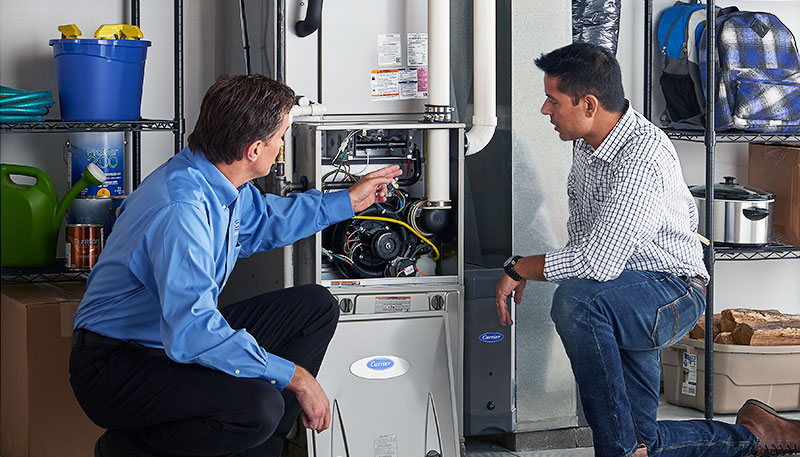
We diagnose in the right order. For gas tank units that means checking the pilot, thermocouple, gas valve, and burner assembly. For electric tank units, we test both heating elements and the thermostats. For tankless systems, we pull error codes, check gas pressure, verify combustion, and look at the heat exchanger and flow sensor. Sunnyvale water has enough mineral content that scale buildup affects tankless systems more aggressively than in softer-water regions, and we descale units that need it as part of the repair when appropriate.
Leaking Water Heater
A leaking water heater is one of those problems you want to handle quickly because the damage compounds fast. A tank holding 40 to 80 gallons can dump its entire contents across the garage, basement, or utility room if the body fails. Even a slow leak ruins drywall, baseboards, and stored items over weeks. Identifying where the leak is coming from determines whether the unit is repairable or needs replacement.
Recognizing the Problem
- Water actively pooling at the base of the unit
- Visible drips from the top of the tank around fittings
- Hissing sounds from the temperature and pressure relief valve
- Rust streaks running down the side of the tank
- Damp or warped flooring around the unit
- Drain valve dripping continuously at the bottom
- Leaks from supply line connections at the top
- Inlet or outlet fittings showing corrosion or mineral buildup
- Tankless units leaking from the heat exchanger or condensate line
Leaks from the top of the tank at fittings or supply lines are often repairable with fresh connections and proper sealing. Leaks from the relief valve sometimes mean the valve itself has failed and sometimes mean the system pressure is too high, which is a different repair entirely. Leaks from the bottom or sides of the tank body itself almost always mean the inner tank has corroded through, and there is no repair for that. When the tank is the source, water heater replacement is the answer. We carry replacement units on the truck for most common configurations, which means many Sunnyvale water heater calls get fully resolved on the same visit.
Tankless Water Heater Issues
Tankless water heaters have become increasingly popular across Sunnyvale, especially in remodels and homes where garage space is a priority. They run differently from tank units, which means the diagnostic and repair approach is genuinely different. When something goes wrong with a tankless system, it usually announces itself through an error code on the unit’s display, which tells us where to focus.
Recognizing the Problem
- Error codes flashing on the unit’s display panel
- Hot water that cycles cold then hot during use
- Reduced flow at multiple fixtures running at once
- Unit failing to fire when demand starts
- Visible scale buildup at fixtures fed by the system
- Combustion sounds without delivered hot water
- Condensate drips from the unit on high-efficiency models
- Recovery delays that did not exist when the unit was newer
- Units past 15 years showing performance decline
We pull the error codes first because tankless systems are usually pretty good at pointing to the actual failure. From there we check gas pressure, verify combustion, inspect the heat exchanger for scale, test the flow sensor and ignition components, and examine the venting for any restrictions. Annual descaling is one of the most important maintenance items for tankless units in Sunnyvale because of the mineral content in local water. Done correctly, a tankless water heater repair restores the system to original performance.
Rusty or Discolored Hot Water
Brown, yellow, or orange tinted water on the hot side is one of the clearer signs that something is happening inside the water heater. The tank lining or the anode rod inside is failing, and rust is being pulled into the hot water lines. Catching this early sometimes lets you extend the life of the unit by addressing the anode rod, but if the tank lining itself has gone, replacement is the right path.
Recognizing the Problem
- Brown or yellow water from hot taps that runs clear when switched to cold
- Metallic taste or smell in hot water
- Visible sediment in standing hot water
- Discoloration that appears mainly first thing in the morning
- Hot water that stains laundry or fixtures
- Tankless heat exchangers with visible corrosion
- Older units past 10 years showing tank-side rust
- Anode rods that have not been inspected in many years
- Smelly hot water suggesting bacterial activity in older tanks
We start by isolating whether the issue is hot-side only or both sides. Hot-side only points to the heater itself. We can replace the anode rod on tank units where the tank body is still sound, which sometimes adds years to the useful life. When the tank lining itself has corroded, water heater replacement is the call because no repair holds for long once the inside of the tank starts going. We give honest assessments so Sunnyvale homeowners can make informed decisions about repair versus replacement.
Strange Noises from Water Heater
Water heaters should run quietly. Popping, rumbling, banging, or whistling sounds are all the unit telling you something is wrong. Most often the sounds come from sediment that has built up at the bottom of a tank, which causes the water trapped under the sediment to boil and pop through. Other times the sounds point to scale on heating elements or valve issues. Each pattern points to a different fix.
Recognizing the Problem
- Popping or crackling sounds when the burner runs
- Loud rumbling that develops over time
- Hissing or whistling from the relief valve area
- Banging or knocking when hot water is drawn
- Screeching from incoming cold water flow
- Clicking sounds from electric units suggesting element issues
- Tankless systems making combustion noise without delivering heat
- Sounds that have gotten louder over recent months
- Older units that have never been flushed
For sediment-driven sounds, a proper flush sometimes clears enough buildup to bring the unit back to quieter operation. Older tanks with heavy sediment often do not respond well to flushing and are usually approaching replacement anyway. For scale on electric elements, element replacement combined with descaling restores normal performance. We diagnose the actual source of the noise rather than guessing, which keeps the repair targeted.
Pilot Light Problems on Gas Water Heaters
Pilot light issues on older gas tank water heaters used to be more common, but plenty of Sunnyvale homes still have units with standing pilots that occasionally cause trouble. The pilot is what ignites the main burner when hot water demand calls for heat, and when it will not stay lit, you lose hot water entirely. Newer units use electronic ignition instead of standing pilots and have their own set of issues.
Recognizing the Problem
- Pilot light that goes out within minutes of lighting
- Pilot that lights but the main burner will not engage
- Repeated flame outages over the course of a day
- Yellow or orange pilot flame instead of clean blue
- Visible debris or spider webs near the pilot assembly
- Drafts in the area where the heater is installed
- Gas smell anywhere near the unit
- Electronic ignition modules that no longer fire on older units
- Burner assemblies covered in dust or corrosion
If you smell gas or suspect a gas leak, go outside immediately and call 911 – this is a serious emergency that needs urgent attention from the gas company. After the immediate danger has been addressed, we come in for proper diagnosis. Most pilot issues turn out to be a failing thermocouple, a dirty pilot assembly, or a draft problem near the unit. We clean the pilot, test the thermocouple under flame, and verify the gas valve is operating correctly before signing off.
Water Heater Not Turning On
A water heater that has gone completely silent is a different problem from one that runs but does not heat. No sign of life usually means the unit has lost power or the gas supply has been interrupted. The diagnostic path runs through the breaker, the thermostat, the gas valve, and the wiring before getting into the unit itself.
Recognizing the Problem
- Electric units that show no signs of operation with the breaker on
- Tripped breakers that will not stay reset
- Gas valves that have somehow ended up in the off position
- Pilot lights that have been out for an extended period
- Tankless control panels that are completely dark
- No response from the unit even after resetting controls
- Older units past the point of cost-effective repair
- Burning smell that occurred before the unit went silent
- Visible damage to wiring or controls
We work through the diagnostic in order. Breaker, gas valve, thermostat, controls, and then into the unit. Most no-power situations turn out to be something simple, but when a control board or major component has failed, we give you the honest read on whether repair makes sense versus replacement based on the age and condition of the unit.
Sediment Buildup and Poor Performance
Sediment buildup in tank water heaters is one of those issues that develops slowly and quietly until it noticeably affects performance. Mineral particles settle at the bottom of the tank, insulating the water from the burner or heating element, which means longer recovery times, higher gas bills, and eventual damage to the tank itself. Sunnyvale water has enough mineral content that flushing matters more than in some other regions.
Recognizing the Problem
- Recovery time that has gotten significantly longer over the years
- Rising gas or electric bills with no change in habits
- Popping or rumbling sounds during operation
- Sediment visible in water drained from the tank
- Reduced hot water capacity even with no tank changes
- Lower water pressure on hot side from clogged plumbing
- Discolored water especially after periods of no use
- Tankless heat exchangers with scale restriction
- Older units that have never been flushed
For tank units, a proper flush removes loose sediment and restores some efficiency. Heavy long-term buildup sometimes cannot be fully cleared, and at that point the choice is whether to live with reduced performance or move forward with replacement. Tankless units benefit from annual descaling, which we recommend as routine maintenance for any tankless water heater in Sunnyvale to keep it running at original performance.
Reach out to us for assistance whenever your water heater needs attention.
Water Heater Repair vs Replacement in Sunnyvale
One of the most common questions we get on a water heater call is whether to repair what is there or replace it outright. The honest answer depends on the age, the type of failure, and how the unit has been performing overall. A four year old tank with a failed thermostat is an easy repair. A 14 year old tank with rust at the base and sediment problems is replacement territory. Tankless systems have their own logic, where descaling and component repairs often extend useful life well past where a tank unit would have given up. We walk through the realistic comparison on every call so you can decide based on real information rather than guesswork. Honest assessments are the foundation of how we work in Sunnyvale.
Tankless Water Heater Installation and Repair
Tankless water heaters are a strong fit for many Sunnyvale homes. They free up garage and closet space, deliver endless hot water for back-to-back showers, and tend to last longer than tank units when maintained correctly. The catch is that not every home is ready for tankless out of the box. Gas line capacity, venting paths, electrical requirements, and incoming cold water temperature all factor into whether a tankless install will perform the way you expect. We look at the whole picture before recommending a specific tankless model, because the right answer depends on your household size, the number of fixtures, and how your family actually uses hot water. For tankless repair, the work is genuinely different from tank service. Error codes guide the diagnostic, descaling matters more than people realize, and proper gas pressure under load is critical for clean combustion. Our techs work on tankless systems regularly, which means we know the platforms and the manufacturers.
Water Heater Installation Services in Sunnyvale
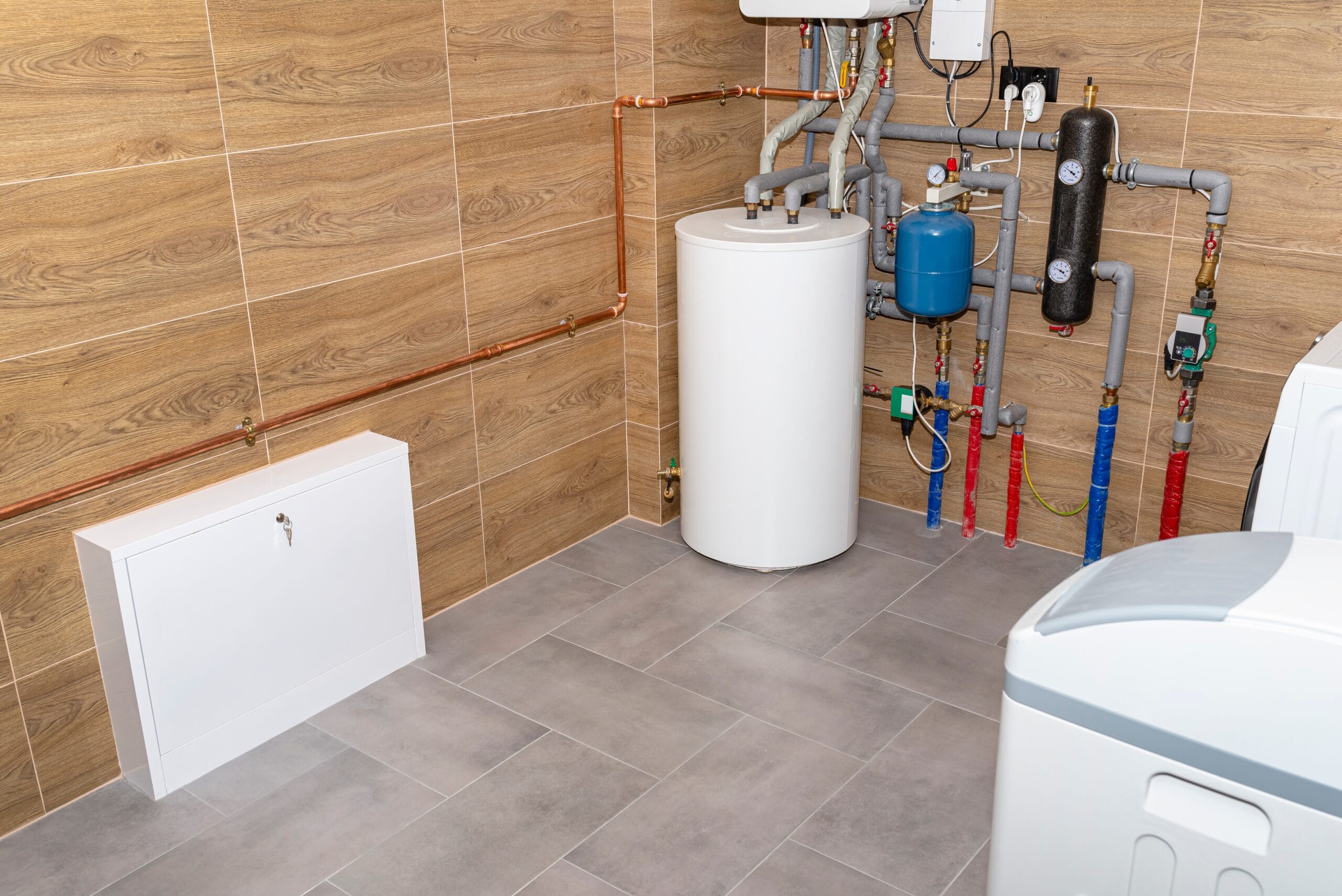
Water heater installation is one of those projects where the work behind the wall matters as much as the unit itself. For standard tank swaps, we disconnect the old unit, drain it, haul it out, and prep the space. The new tank goes in with proper supply connections, a fresh temperature and pressure relief valve, an expansion tank if your home requires one, and proper venting and gas or electrical connections. We pressure test everything before signing off. Tankless water heater installation is more involved because of venting, gas line sizing, and condensate drainage on high-efficiency models. We size the gas line correctly, run the venting cleanly, install condensate drainage where required, and commission the system before we leave. Whether tank or tankless, gas or electric, the install gets done with attention to long-term performance rather than quick turnaround.
Why Sunnyvale Homeowners Choose Sunnyvale Plumbing and Air Pros for Water Heater Service
Water heater work is one of those services where the difference between a thoughtful install and a rushed one shows up across the lifespan of the equipment. Here is what makes Sunnyvale homeowners stay with us.
Replacement Units on the Truck for Most Calls
Our trucks carry common tank water heater configurations so most leak emergencies get fully resolved on the same visit rather than turning into multi-day projects waiting on parts. A homeowner in Sunnyvale West called us last fall with a ruptured tank pouring water across the garage. We had the old unit out and a new one installed within four hours of the original call. That kind of same-visit responsiveness is what real water heater service should look like.
Real Tankless Expertise
Tankless systems are not just smaller tank water heaters. They run differently, fail differently, and need a service approach built around their actual technology. We work on tankless units regularly, which means we know the major brands, the common error codes, the descaling procedures, and the gas pressure requirements that make these systems work properly. That experience matters because plenty of plumbers still treat tankless as an exotic specialty rather than the normal install option it has become.
Honest Sizing and Brand Recommendations
We have installed enough water heaters to know which brands hold up over the years and how to size units correctly for actual household demand. A two-bathroom home with three or four people usually does well with a 50-gallon tank. Bigger families or homes with deep soaking tubs may need 75 gallons or a tankless setup. We look at your actual hot water demand rather than just matching whatever was there before.
Safe Gas Work on Every Install
Gas water heaters and tankless systems both involve gas combustion that has to be handled correctly. We pressure test gas connections, verify gas pressure under load, confirm venting drafts properly, and check combustion using analyzers when appropriate. That patience on the gas side is non-negotiable because the consequences of cutting corners include carbon monoxide risk that no homeowner should be exposed to.
Local Knowledge of Sunnyvale Homes
Sunnyvale has a real mix of housing styles, and water heater installations vary widely across them. Older homes around Ponderosa and Raynor often have units in tight closets with limited venting options. Newer townhomes around Fair Oaks and Murphy Avenue typically run modern installations with current venting standards. Walking into a project already familiar with what to expect from the construction style makes installs go more smoothly.
Our Water Heater Service Process in Sunnyvale
We keep the process predictable from the first call to the final walkthrough.
Step One: Phone Intake
When you call, we ask the right questions about the symptoms, the type of unit you have, the approximate age, and how urgent the situation is. For leaks, we walk you through shutting off water and gas or power immediately while a tech rolls toward your address.
Step Two: On-Site Diagnosis
The tech arrives and works through a proper diagnostic for your specific unit type. For tank units that means testing the heating components, valves, and tank condition. For tankless that means pulling error codes and verifying gas pressure and combustion. Findings get explained in plain language.
Step Three: Honest Repair or Replacement Recommendation
Once the problem is clear, we walk through the realistic options. For repairs, we explain what the fix involves. For replacements, we discuss tank versus tankless options and sizing for your household.
Step Four: Quality Installation or Repair
Work gets done with proper materials, correct gas and electrical connections, fresh fittings where needed, and full testing before sign-off. New installs include proper venting, expansion tanks where required, and pressure testing of every connection.
Step Five: Walkthrough and Cleanup
Before we leave, we walk you through the unit, demonstrate it operating correctly, share maintenance habits that extend its life, and clean up the work area. Old units are taken away and recycled responsibly.
Water Heater Service Area in and Around Sunnyvale, California
We are based in Sunnyvale and our water heater crews work across the city every week. We also serve the surrounding South Bay communities where similar work makes up a regular part of our schedule.
Within Sunnyvale, we handle water heater work in Birdland, Cherry Chase, the Heritage District, Ortega, Ponderosa, Raynor, Lakewood, Sunnyvale West, and the areas around Lawrence Station, El Camino Real, Murphy Avenue, and Fair Oaks. Outside the city, we cover Mountain View, Santa Clara, Cupertino, Los Altos, San Jose, and Milpitas, along with parts of Saratoga and Campbell.
If you are anywhere in Sunnyvale or just over the line in any direction, there is a strong chance we already cover your area. Contact us today and we will confirm.
Professional Water Heater Repair vs DIY Attempts
Plenty of Sunnyvale homeowners are handy, and there is real value in basic water heater care you can do yourself. Adjusting the thermostat setting, flushing the tank annually with the supply shut off, checking the relief valve periodically, and watching for early signs of leaks or rust are all reasonable habits. We respect that and never talk down to anyone who tries to maintain their unit.
The trouble starts when bigger repairs or installations get attempted without the experience or tools to back them up. Water heaters involve pressurized water at high temperatures, gas combustion on most units, electrical connections, venting requirements, and current code compliance all at the same time. Each of those areas has consequences for getting it wrong.
Gas work is the most serious concern. Improper gas connections, missed pressure tests, or shortcut venting put the household at risk for carbon monoxide exposure. A water heater that vents improperly into the home rather than out through the flue can produce dangerous CO levels that detectors may or may not catch in time. Real installs require pressure testing of every gas connection, verification of gas pressure under load, and confirmation that venting drafts properly under all operating conditions.
Electrical work has its own pitfalls. Tank water heaters often run on dedicated 240 volt circuits that require proper wire gauge, breaker sizing, and grounding. Tankless systems sometimes need power upgrades because the electrical load is different from what the previous unit drew. Tankless gas units also typically need a 120 volt outlet nearby for the control board, which older installs may not have.
Venting is the other major concern. Standard tank units may vent through traditional B-vent or chimney systems. High-efficiency condensing tank or tankless units require PVC sidewall venting with specific slope, length, and termination requirements. Getting any of those wrong creates safety risks and code compliance issues that come up during home sales later.
For minor maintenance, by all means handle it yourself. For repairs involving gas, electrical, or venting, calling a professional is almost always the safer and ultimately cheaper path.
Plumbing Pro Services
Complete Plumbing Care for Your Entire Home
Whether it’s the kitchen, bathroom, or sewer line, we have the tools and training to handle any challenge your plumbing system throws at us.
We Deliver Expert Results
Don’t gamble with your plumbing. We combine years of experience with modern technology to deliver lasting repairs and installations. Our team respects your time and your property.
- Fixture Installation
- Leak Detection
- Modern Diagnostics
- Drain Cleaning
Frequently Asked Questions About Water Heater Repair and Installation in Sunnyvale
How long does a water heater installation take?
A standard tank swap usually wraps up in two to four hours from start to finish, including removal of the old unit, installation of the new one, and full leak testing. Tankless installs typically take a full day because of the additional venting, gas, and electrical work involved.
Can you install a water heater I bought myself?
Yes. Customer-supplied water heater installation is regular work for us. If you have already chosen a unit, bring it on and we will install it correctly. If you want input on brands and sizing before you buy, we are happy to share what we have actually seen hold up.
How long should a water heater last in Sunnyvale?
Standard tank units typically run 8 to 12 years here. Tankless systems often last 15 to 20 years with regular maintenance. Local water has enough mineral content that units that get regular flushing and descaling tend toward the upper end of those ranges.
Is a tankless water heater really worth the extra cost?
For many Sunnyvale homes, yes. Endless hot water, freed-up space, lower long-term operating costs, and longer expected lifespan all add up over time. The catch is that not every home is set up for an easy tankless install, which is why we look at the whole picture before recommending one.
How do I know if I need water heater repair or replacement?
Age, the type of failure, and condition of the unit all matter. Younger units with a single repairable issue are usually worth fixing. Older units with tank corrosion, sediment problems, or repeated failures are usually replacement situations. We give you the honest comparison.
How do I find a reliable water heater plumber near me in Sunnyvale?
Look for a local team that carries replacement units on the truck, knows tankless systems as well as tank units, does proper gas and venting work, and explains decisions in plain language. We have built our reputation on exactly those things across years of Sunnyvale water heater work.
What size water heater do I need for my home?
Sizing depends on the number of bathrooms, household size, and how your family uses hot water. A two-bathroom home with three or four people typically does well with a 50-gallon tank. Larger families or homes with high-demand fixtures may need bigger tanks or a properly sized tankless unit.
Why is my water heater making popping sounds?
Popping and rumbling almost always mean sediment has built up at the bottom of the tank. Water trapped under the sediment boils and pops through, which is what you hear. A proper flush sometimes resolves it. On older units with heavy buildup, replacement is often the better path.
What brand of water heater do you recommend?
We work with every major brand and recommend specific models based on your household needs rather than pushing any single line. Mid-range and higher units from established manufacturers consistently outperform the bottom-tier options regardless of brand name.
Can you handle water heater emergencies?
Yes. Tank ruptures and major leaks get same-day or after-hours service depending on the situation. We dispatch quickly because the longer a leak runs, the more damage compounds.
How often should I flush my water heater?
For tank units, annual flushing helps significantly in the Sunnyvale climate because of local water mineral content. For tankless systems, annual descaling is recommended to keep the heat exchanger working at original performance.
Do you take away the old water heater?
Yes. Removal and proper disposal of the old unit is part of every install. Old units are recycled responsibly. You do not need to coordinate anything separately.
Your Trusted Sunnyvale Water Heater Team
Water heaters are one of those parts of a home that get ignored when they work and become the most important thing the moment they stop. We built Sunnyvale Plumbing and Air Pros to be the team that handles water heater work right on the first visit. Replacement units on the truck, real tankless expertise, honest sizing and brand recommendations, safe gas work, and follow-through after the visit. Those habits add up to installations and repairs that hold up for years.
Whether your water heater has died entirely, is leaking across the floor, has started making strange sounds, no longer keeps up with the household, or you are simply ready to upgrade to a modern tankless system, we are the team to call. Your local plumbers and HVAC pros you can count on are right here in Sunnyvale, and we are ready when you need us.
Zip codes we serve: 94022, 94024, 94040, 94041, 94043, 94085, 94086, 94087, 94088, 94089, 94303, 94304, 95002, 95014, 95035, 95050, 95051, 95054, 95110, 95129, 95130, 95131